Cagliari’s coastal table and where to stay for sardinian food education
Cagliari sits on the southern edge of Sardinia, facing a bright, working harbor where the city’s food identity begins. The capital’s luxury and premium hotels understand that discerning guests arrive looking for sardinian food in Cagliari that reflects the sea first, then the inland pastures, so the best properties now curate tasting menus, market tours, and private cooking sessions as part of a stay. For a couple planning a romantic escape on the island, choosing a hotel becomes less about thread count and more about how deeply it connects you to sardinian cuisine shaped by fishermen, ancient Roman trade routes, and today’s chefs.
In the historic Marina and Stampace quarters, high end addresses place you within a short walk of San Benedetto market, where local food culture plays out every morning. Here, you watch mullet roe destined to become bottarga, see durum wheat for fregola, and hear stallholders talk about which pasta shape best suits tomato sauce or garlic parsley based condimenti, all while your concierge quietly confirms a dinner reservation nearby. This proximity matters for travelers who want sardinian food in Cagliari to feel lived, not staged, because the most memorable dish often starts as a casual suggestion from a fishmonger rather than a line on a brochure.
Along the waterfront, premium hotels frame the lagoon and the distant curve of Poetto Beach, reminding you that this island city’s cuisine is coastal at heart. From your terrace you might taste pane carasau brushed with olive oil and local honey before heading downstairs to a restaurant where pecorino cheese, casu based sauces, and sardinian pasta appear in refined, contemporary plates. The best teams work with local chefs and culinary schools as quietly as they work with drivers and guides, ensuring that every food experience is prepared with the same precision as a private transfer or a late checkout.
Bottarga, fregola, and the luxury of learning from the source
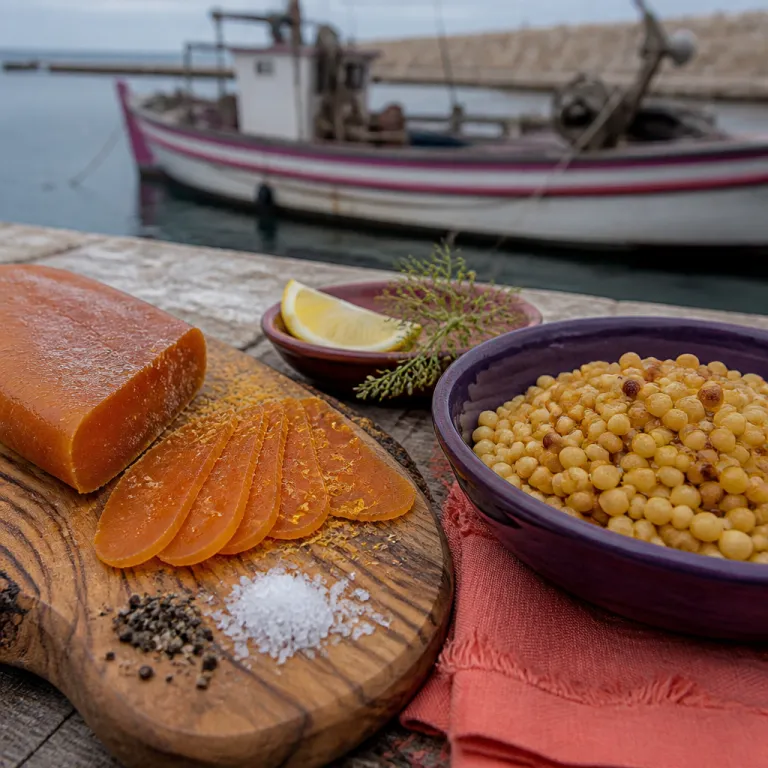
For many travelers, the phrase sardinian food in Cagliari becomes real the first time they taste bottarga di muggine, shaved over spaghetti or another long pasta with only olive oil and lemon. Luxury hotels now collaborate with local chefs to turn that moment into a structured experience, arranging private classes where you learn that “What is bottarga?” and “How is fregola made?” are not abstract questions but the start of a deeper relationship with the island’s cuisine. In these workshops, held in professional kitchens or elegant hotel spaces, guests hear directly that “Cured fish roe, often from mullet or tuna.” and “Small balls of semolina dough, toasted for flavor.” define two pillars of Cagliari’s coastal table.
The most serious properties partner with instructors based around Via Roma, close to the harbor, where hands on sessions focus on how fregola differs from couscous and why its toasted durum wheat character suits clams so well. You might prepare fregola con arselle with a chef who grew up in a fishing family, learning how ancient Roman trade brought techniques and spices that still echo in today’s sardinian cuisine, then sit down to a lunch where each dish is paired with Vermentino di Sardegna or Cannonau. This is where the city’s reputation, praised by critics such as Jancis Robinson for its authenticity and depth, becomes tangible for guests who value education as much as indulgence.
When you compare options on a luxury hotel booking website, look for properties that highlight culinary workshops, not just tasting menus. Some hotels integrate one day cooking experiences into multi night packages, combining market visits, bottarga preparation, and a guided tasting of pecorino sardo and other sardo DOP cheeses. Others simply connect you with independent culinary schools and local seafood suppliers, but in both cases, the promise is the same ; your time in Cagliari becomes a structured food education, not just a sequence of restaurant reservations, and sardinian food in Cagliari gains context, stories, and technique.
To understand how this educational approach fits into the city’s broader dining evolution, it is worth reading this analysis of Cagliari’s restaurant awards season and what the guides reveal. It shows how chefs who teach bottarga and fregola today are often the same names quietly reshaping fine dining menus in Castello and beyond.
From culurgiones to sa burrida: where to taste coastal sardinian cuisine
Once you have chosen a hotel, the next question is where to eat, because sardinian food in Cagliari expresses itself differently in each quartiere. In Marina, narrow streets hide trattorias where a plate of fregola con arselle or culurgiones filled with potato, mint, and pecorino sardo might cost between 25 and 40 euros per person, including wine, while in Castello, fine dining rooms reinterpret the same ingredients in tasting menus that start closer to 50 or 80 euros. Both experiences have value, and a good concierge will steer you toward the one that suits your evening, your appetite, and your curiosity about traditional sardinian recipes.
Seek out places that treat the city’s coastal heritage as a starting point rather than a marketing slogan. Sa burrida, the catshark stew with walnuts and vinegar that is almost impossible to find outside Cagliari, appears in only a handful of menus, often in family run dining rooms where the recipe has been prepared the same way for generations, yet plated with the elegance expected by luxury travelers. Here, sardinian food in Cagliari feels both local and quietly cosmopolitan, with olive oil, garlic parsley, and tomato sauce linking the dishes to broader Italian cuisine while the choice of fish and nuts anchors them firmly to this island.
Do not ignore the more informal side of the city either, especially if you enjoy street food as part of your travels. Around the port and the steps leading up to Castello, stalls and small bars serve pane carasau, fried sardinian pasta snacks, and seafood skewers that echo the same food culture you find in white tablecloth dining rooms, only at a different pace and price point. An evening aperitivo, perhaps guided by this insider map of where aperitivo hour turns sunset into the main course, can be as revealing as a formal tasting menu, especially when paired with a walk back to your hotel through streets scented with grilled fish and fresh bread.
Cheese, casu, and the quiet power of pane carasau
Even in a city defined by the sea, the pastoral heart of Sardinia appears on every serious menu through its cheeses and breads. Pecorino sardo, made from sheep milk and protected under the sardo DOP label, anchors many dishes, from simple plates of pecorino cheese with local honey to more elaborate sauces folded through sardinian pasta or shaved over vegetables. Luxury hotels that take sardinian food in Cagliari seriously will often curate cheese boards that move from young, lactic styles to aged casu with crystalline textures, explaining how each stage reflects the island’s seasons and grazing patterns.
Pane carasau, the thin, crisp bread once baked for shepherds spending weeks away from home, now appears in both humble and refined forms. In some restaurants it arrives as a simple basket, brushed with olive oil and sprinkled with salt, while in others it becomes a layered dish, softened with tomato sauce or stock and served almost like lasagna, yet still unmistakably traditional sardinian in spirit. When paired with pecorino sardo and a glass of Vermentino, this bread tells a story of resourcefulness and continuity that resonates with travelers who value authenticity as much as comfort.
For couples staying in premium hotels, asking the sommelier or maître d’ to guide a short tasting of cheeses and breads can be as intimate as any spa treatment. You might explore how different ages of casu pair with honey from the island’s macchia, or how pane carasau changes when topped with bottarga or a drizzle of strong olive oil. In these quiet moments, sardinian food in Cagliari reveals its layered culture ; coastal ingredients meet inland traditions, ancient Roman influences meet contemporary technique, and your hotel becomes a lens through which the entire island’s food culture comes into focus.
Poetto Beach, alla catalana, and planning a food focused stay
Many luxury travelers choose Cagliari for its easy access to Poetto Beach, a long curve of sand where the city relaxes, swims, and eats. Here, beach clubs and casual restaurants serve grilled fish, salads dressed with olive oil and lemon, and occasionally lobster or prawns prepared alla catalana, with tomato, onion, and plenty of herbs, offering a lighter counterpoint to the richer dishes of the historic center. Staying in a premium hotel either along the waterfront or a short drive away allows you to move effortlessly between sea swims, spa sessions, and long lunches that showcase sardinian food in Cagliari at its most relaxed.
When planning your trip, consider timing and logistics as carefully as you consider menus. Booking accommodations in advance is essential during peak months, especially if you want rooms with harbor or sea views and easy access to both Poetto Beach and the old town’s restaurants, and a well designed itinerary might include a wellness focused stay such as the one outlined in this guide to a June wellness escape in Cagliari before the crowds. Between swims and massages, you can visit local markets, join a culinary workshop, and arrange dinners that move from street food to fine dining, ensuring that every day includes at least one new dish, one new wine, and one new story.
For those particularly interested in technique, some hotels and partner schools offer one day culinary programs that mirror professional timelines, starting with market visits in the morning and ending with tasting sessions in the late afternoon. These experiences, often led by local chefs and supported by culinary schools, focus on preserving and promoting Sardinian culinary heritage while integrating modern methods, so you might prepare suckling pig one moment and a delicate seafood pasta shape the next. By the time you leave, sardinian food in Cagliari will feel less like a list of specialties and more like a living culture you have briefly joined, shaped by the island’s sea, its sheep milk cheeses, its durum wheat fields, and the people who cook for you.
FAQ
What is bottarga and where can I taste it in Cagliari?
Bottarga is cured fish roe, usually from grey mullet, pressed and dried until firm, then sliced or grated. In Cagliari, you will find it over pasta, on pane carasau, or served simply with olive oil and lemon in both mid range trattorias and fine dining restaurants. Many luxury hotels can arrange tastings or classes focused on bottarga as part of a sardinian food in Cagliari themed stay.
How is fregola different from couscous?
Fregola is a traditional sardinian pasta made from small balls of semolina dough that are toasted before cooking, giving them a nutty flavor and firmer texture than most couscous. In Cagliari, fregola con arselle pairs these toasted grains with clams, tomato, and herbs, reflecting the city’s coastal identity. Culinary workshops and hotel restaurants often highlight this dish to introduce guests to the island’s distinctive pasta culture.
Is a Sardinian culinary workshop in Cagliari suitable for beginners?
Yes, most culinary workshops in Cagliari are designed for all skill levels, from curious beginners to confident home cooks. Programs typically combine demonstrations with hands on cooking, guiding you through dishes such as bottarga based pasta, fregola, or seafood stews at a comfortable pace. Luxury and premium hotels can help you select a class that matches your experience and interests.
What should I budget for dining in Cagliari’s mid range and fine dining restaurants?
In the Marina and Stampace districts, mid range trattorias usually cost around 25 to 40 euros per person for a meal with wine, featuring dishes such as fregola con arselle, culurgiones, or grilled fish. In Castello and other upscale areas, fine dining menus often start around 50 to 80 euros per person, especially for multi course tastings that explore sardinian cuisine in more elaborate ways. Many luxury hotels can secure reservations and advise on where to find the best value for your budget.
How can I combine beach time at Poetto with a food focused stay?
Choose a hotel that offers easy access to both Poetto Beach and the historic center, either through a short taxi ride or private transfers. Plan days that start with a swim or walk along the sand, followed by lunch at a beachside restaurant, then return to the city for market visits, aperitivo, and dinner. This rhythm lets you experience sardinian food in Cagliari across different settings, from relaxed seaside grills to refined urban dining rooms.