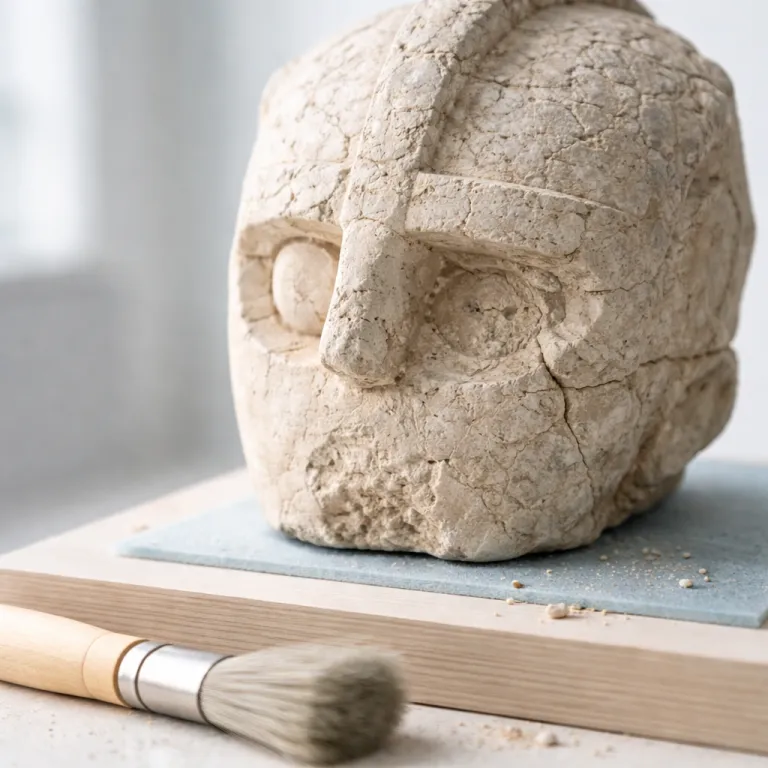
Why mont’e prama sardinia belongs on a luxury Cagliari itinerary
Mont’e Prama in Sardinia is not a remote academic footnote; it is one of the most arresting archaeological stories you can fold into a refined stay in Cagliari. From a suite overlooking the Gulf, you are around 90 minutes’ drive from the Sinis Peninsula, where the Mont’e Prama archaeological site quietly rewrites Mediterranean history and reshapes how we read the Age Nuragic past. For travelers used to marble lobbies and rooftop pools, standing among the reconstructed statues at the Museo Archeologico Nazionale di Cagliari offers a different kind of luxury, one measured in silence, scale and time.
The narrative of Mont’e Prama begins in the agricultural area near Cabras, where farmers first exposed fragments of giant sculptures that would later be recognised as some of the earliest large scale stone statues in Europe. Archaeologists working with the Fondazione Mont’e Prama used meticulous excavation methods, conservation materials and 3D scanning to piece together more than forty statues, nuraghe models and hundreds of bronze statuettes from a shattered necropolis. This careful work, documented in excavation reports and museum catalogues, generated a dense body of data about the Nuragic civilisation, its funerary customs and its relationship with the wider Bronze Age and Iron Age Mediterranean.
For the luxury traveler, the appeal lies in how seamlessly this deep time narrative can be woven into a premium hotel stay in Cagliari. You can spend the morning with the Giants of Mont’e Prama in the archaeological museum, the afternoon tasting Vernaccia in a shaded piazza, and the evening watching the light fade over Poetto beach from a high floor room. The content of your day shifts from statues and grave goods to aperitivo and sea views, yet the thread of Sardinia’s layered identity remains unbroken.
The giants of mont’e prama sardinia: what they are and why they matter
The so called Giants of Mont’e Prama are monumental stone statues, around 2 metres high, carved by the Nuragic civilisation that dominated Sardinia during the late Bronze Age and early Iron Age. These sculptures depict archers, warriors and boxers, along with nuraghe models that echo the towered nuraghe structures still dotting the Sardinian landscape today. Set above a necropolis that held elite tomb burials, the statues formed a stone assembly of giants guarding the dead and projecting power across the surrounding area.
Archaeologists have proposed several interpretations for this extraordinary sculptural phase, using stylistic analysis, stratigraphic data and radiocarbon dating to anchor the complex within a specific century. Some argue that the statues and grave goods celebrate a warrior aristocracy at the height of Nuragic Bronze Age culture, while others see them as a response to new threats and contacts during the Iron Age. What is clear, as underlined in scholarly publications and museum displays, is that the necropolis and its sculptures were part of a sophisticated ritual landscape, where each tomb, each giant figure and each Nuragic bronze object contributed to a carefully staged narrative of lineage and memory.
For non specialists staying in Cagliari’s premium hotels, the key is to approach Mont’e Prama Sardinia not as an isolated curiosity but as a window into a civilisation that left no written records. The stone statues, the bronze statuettes and the nuraghe models together form a visual language that replaces missing texts and missing chronicles. When you stand in front of a reconstructed giant at the Museo Archeologico Nazionale di Cagliari, you are effectively reading a stone manuscript from the Age Nuragic world, line by line and fracture by fracture.
Inside museum Cagliari: how to read the third floor like an insider
The National Archaeological Museum in Cagliari is where Mont’e Prama Sardinia becomes tangible, and the third floor is your essential destination. This level is largely dedicated to the Giants of Mont’e Prama, with reconstructed statues, original fragments and a dense array of grave goods from the necropolis near Cabras. Plan at least 90 minutes here, more if you enjoy moving slowly between sculptures and reading the detailed panels that unpack each phase of excavation and restoration.
Start with the chronological displays that frame the Bronze Age and Iron Age in Sardinia, then move towards the main gallery where the giant statues stand in quiet ranks. You will see archers with stylised shields, boxers with raised arms and warriors whose faces are reduced to concentric circles, all carved from the same pale stone that once lay scattered across the Sinis Peninsula fields. Nearby cases hold Nuragic bronze figurines, bronze statuettes of warriors and animals, and small nuraghe models that echo the towered nuraghe silhouettes you may have glimpsed from your transfer between airport and hotel.
Do not rush the section that explains how the statues were reconstructed from thousands of fragments, using both traditional conservation techniques and advanced digital data capture. Here the museum’s content shows how excavation, documentation and 3D scanning turned a chaotic deposit into a coherent sculptural ensemble. As one of the curatorial texts summarises for visitors, “What is Mont’e Prama? An archaeological site in Sardinia with ancient statues. Who created the Mont’e Prama statues? The Nuragic civilization of Sardinia. Where can I see the Mont’e Prama statues? At the Museo Archeologico Nazionale di Cagliari.”
From Castello to Tuvixeddu: building a full heritage day around mont’e prama sardinia
A well planned cultural day in Cagliari can move from the Giants of Mont’e Prama to the living city without ever losing the thread of history. Begin in the morning at the archaeological museum, then step out into the Castello quarter where narrow streets, stone bastions and shaded cafés offer a refined counterpoint to the museum’s controlled light. If you are choosing where to stay, properties in and around Castello place you within walking distance of both the museum and the city’s most atmospheric terraces, and you can explore curated options through a dedicated guide to luxury hotels in the old quarter on stay-in-cagliari.com.
After lunch, descend towards the marina or the San Benedetto market, where the rhythm of daily life in Sardinia provides a contemporary echo to the ancient Age Nuragic world you have just encountered. Later in the afternoon, take a short taxi ride to the Tuvixeddu Necropolis, the largest Phoenician Punic necropolis in the Mediterranean, carved directly into a hill that now overlooks apartment blocks and modern roads. Walking among the rock cut tomb chambers here, you can compare the funerary architecture of a later phase with the earlier necropolis at Mont’e Prama, noting how different cultures in the same area treated their dead and their grave goods.
As evening approaches, return to your hotel for a swim or a glass of Vermentino before dinner, letting the day’s content settle into a coherent narrative. If your travels also include business stops in other cities, you may appreciate how Cagliari’s premium properties balance leisure and work in a way similar to the best luxury hotels for business travelers in other destinations, yet with the added depth of immediate access to sites like Mont’e Prama Sardinia. This is heritage you can reach between meetings, not a distant excursion that demands an entire phase of your trip.
Beyond Cagliari: mont’e prama sardinia, Nora and the sinis peninsula from a luxury base
While the reconstructed statues of Mont’e Prama reside in the main archaeological museum in Cagliari, the original archaeological site near Cabras remains a compelling excursion for travelers who value context. From a high end hotel in Cagliari, a private driver can take you across the island’s central area to the Sinis Peninsula, where the Mont’e Prama necropolis lies close to the lagoon and the sea. Here, low protective structures shelter the tomb alignments, and on site panels explain how each burial, each giant fragment and each associated object was documented during different excavation campaigns.
Combine this visit with time in Cabras itself, where the Giovanni Marongiu Civic Museum and related cultural institutions hold additional material from the site, complementing what you saw in the archaeological museum in Cagliari. Scholars such as Giovanni Lilliu and later teams of archaeologists have used these finds to refine the dating of the complex, situating the statues, the necropolis and the associated Nuragic bronze artefacts within a specific dated century of the late Bronze Age or early Iron Age. The result is a layered understanding of how the Nuragic civilisation evolved across multiple centuries, with Mont’e Prama Sardinia representing a pivotal phase in that long trajectory.
On another day, consider a half day trip from Cagliari to the Nora archaeological site, where Roman streets, mosaics and a seaside theatre offer a different but complementary perspective on Sardinia’s past. Standing among Nora’s ruins, you can trace a line back to the towered nuraghe silhouettes inland, the Giants of Mont’e Prama in the museum and the rock cut tombs of Tuvixeddu, all within a manageable radius of your hotel. This is the quiet privilege of basing yourself in Cagliari’s luxury properties; you can move between Bronze Age sanctuaries, Iron Age necropolis landscapes and Roman fora without ever sacrificing comfort, service or the pleasure of returning to a well appointed room.
Practical tips for luxury travelers engaging with mont’e prama sardinia
To make the most of Mont’e Prama Sardinia from a premium base in Cagliari, start by checking opening hours for the National Archaeological Museum and any temporary displays related to the Giants of Mont’e Prama. Aim to visit the third floor early in the day, when the galleries are quieter and you can linger in front of individual sculptures without distraction. If your stay includes the first Sunday of the month, note that admission to the archaeological museum is free, which can be useful when planning a longer, more reflective visit.
Consider hiring a licensed guide with a background in Nuragic studies or Sardinian archaeology, especially if you plan to visit both the museum in Cagliari and the Mont’e Prama archaeological site near Cabras. A specialist can help you understand how excavation data, stylistic analysis and scientific dating techniques converge to place the statues, the necropolis and the associated grave goods within a specific phase of the Bronze Age or Iron Age. They can also point out subtle details on the statues, such as tool marks, restored sections and iconographic choices that might otherwise escape a casual glance.
When booking your hotel, prioritise properties that offer flexible transfer options, as this makes it easier to arrange day trips to the Sinis Peninsula, Nora or Tuvixeddu without logistical stress. Many luxury and premium hotels in Cagliari can coordinate private drivers, early breakfasts or late check outs to accommodate a full archaeological itinerary that includes Mont’e Prama Sardinia, the Tuvixeddu Necropolis and the Nora archaeological site. In the end, the greatest indulgence may be this ability to move effortlessly between a rooftop bar and a silent tomb, between a spa treatment and a gallery of stone giants that have watched over Sardinia’s shores since the distant Age Nuragic.
FAQ about mont’e prama sardinia and Cagliari stays
Where exactly is Mont’e Prama and how far is it from Cagliari ?
Mont’e Prama is located near Cabras, on the Sinis Peninsula in western Sardinia, roughly 110 kilometres from Cagliari by road. The archaeological site sits a short distance inland from the coast, in an agricultural area between the lagoon and the sea. From most luxury hotels in Cagliari, the drive takes about 1 hour and 30 minutes with a private transfer.
Can I see the original giants statues in Cagliari or only replicas ?
The National Archaeological Museum in Cagliari displays original statues from Mont’e Prama, carefully reconstructed from thousands of fragments. Some elements are integrated with discreet modern supports, but the bulk of what you see on the third floor consists of authentic Nuragic stone sculptures. Additional fragments and related material are held in Cabras, creating a complementary experience between the two locations.
Do I need to be an archaeology expert to enjoy mont’e prama sardinia ?
You do not need specialist knowledge to appreciate Mont’e Prama, as the museum’s content is designed for a general audience. Clear panels explain the Nuragic civilisation, the necropolis context and the dating of the statues in accessible language. A private guide can deepen the experience, but the visual impact of the giant figures speaks powerfully on its own.
How much time should I plan for the museum and the site in one day ?
For a balanced day from Cagliari, allow at least 2 hours for the archaeological museum, focusing on the third floor and related Nuragic galleries. Add 3 to 4 hours for the round trip to the Mont’e Prama archaeological site and nearby Cabras, including time on site and a relaxed lunch. With private transport, this still leaves space in the evening to enjoy your hotel’s amenities or a walk through the Castello district.
Is Mont’e Prama suitable for a combined cultural and beach holiday in Sardinia ?
Mont’e Prama integrates very well into a trip that mixes heritage and coastline, especially if you base yourself in Cagliari. You can spend one day with the giants, the Tuvixeddu Necropolis and the Nora archaeological site, then dedicate the next to Poetto beach or the coves of the southern coast. This rhythm allows you to alternate between the intellectual richness of the Age Nuragic world and the relaxed pace that defines Sardinia’s contemporary seaside life.