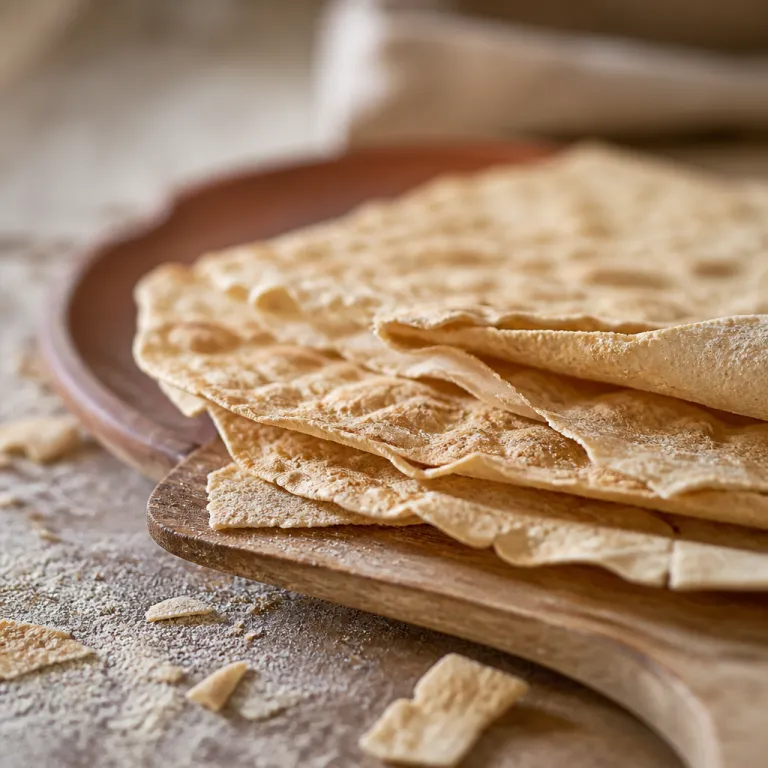
Pani frattau, pane carasau and why bread is the architecture of Sardinia
Walk into a serious dining room in a luxury hotel in Cagliari and the first thing that tells you where you have landed is not the view of the Gulf, but the basket of Sardinian bread pane carasau on the table. This is not decorative bread; it is the island’s architecture in edible form, a paper thin structure of history, migration and survival that now anchors tasting menus and poolside lunches. When you understand why this pane became so central to daily life, you start reading hotel restaurants the way locals read churches and nuraghi.
The classic Sardinian flatbread known as pane carasau began as a practical solution for shepherds who spent long days and then months away from home in the Barbagia mountains. They needed a carasau Sardinian loaf that would not spoil, so families baked a double cooked flatbread in a fiercely hot bread oven, splitting the puffed rounds and returning them to the oven until they became carasau crisp. That same technique now appears in refined hotel kitchens, where chefs treat each thin shard almost like porcelain.
In Cagliari’s premium properties, this once humble classic Sardinian staple is handled with the same care as caviar. Some chefs brush the pane carasau with olive oil and a whisper of sea salt, serving it as an aperitivo snack that rivals the best tortilla chips yet remains unmistakably Italian. Others reimagine the Sardinian bread pane carasau as an architectural element, layering it into tasting menus where texture matters as much as flavour.
From shepherds’ survival food to pani frattau on hotel tasting menus
The story of pani frattau begins with frugality and ends on white tablecloths in Cagliari’s luxury hotels. Sardinian shepherds once created this oven baked casserole to utilise stale pane carasau, turning leftovers into sustenance rather than waste. Today, that same logic of transformation underpins the most interesting hotel dining rooms in the city.
Historically, families in Barbagia softened shards of pane carasau in hot broth, layered them with tomato sauce and pecorino, then crowned the dish with a poached egg. The method was simple; soak the bread for a few minutes, let the dough based sheets drink in the liquid, and build a lasagna like stack that felt generous even in lean times. Food historians and regional cookbooks describe pane frattau as a traditional Sardinian dish whose aims were to utilise stale pane carasau, create a nourishing meal and preserve culinary heritage.
On tasting menus in Cagliari’s premium hotels, chefs now plate pani frattau with a precision that would have startled those early Sardinian shepherds. You might see a single paper thin disc of carta musica style Sardinian flatbread, moistened just enough, topped with a slow cooked egg and shavings of aged pecorino from local cheesemakers. For travelers choosing where to stay, a property that treats pani frattau with this kind of respect usually takes the rest of its food program seriously too, a useful filter when you read any analysis of Cagliari’s dining evolution.
Inside the dough: how carta musica became luxury hotel language
To understand why Sardinian bread pane carasau appears on almost every serious hotel menu in Cagliari, you need to look at the dough itself. Traditional recipes use hard wheat flour, often a fine semola, mixed with water, yeast and a measured pinch of flour salt or fine salt. The mixture is kneaded on a lightly floured board until elastic, then left to rest for the necessary minutes while the gluten relaxes.
When the dough is ready, bakers divide it into small balls and roll each one on a floured surface until it is almost paper thin. This is where the name carta musica comes from; the sheet music like discs are so delicate that you can almost read notes through them when held to the light. In ancient times, these rounds went into a blazing bread oven, puffed dramatically, then were split and baked again to create the signature carasau crisp texture that now fascinates hotel pastry chefs.
Modern luxury properties in Cagliari sometimes adapt the formula, using a mix of purpose flour and semola to achieve a specific crunch that pairs well with local wines. Some kitchens finish the pane carasau with coarse sea crystals or a drizzle of herb infused olive oil, turning each shard into a precise canapé base. If you are planning tastings with the concierge, ask which restaurants in the hotel’s orbit pair pani frattau and carasau Sardinian breads with the new wave of Cannonau and Carignano wines highlighted in recent discussions of the Sardinian wine revolution.
From Campidano loaves to festival breads: where Cagliari hotels source their baskets
Cagliari’s most interesting hotel bread baskets rarely rely on a single style of Sardinian bread pane carasau. Instead, they curate a panorama of island traditions, from the hefty Civraxiu loaves of the Campidano plain to the sculpted su coccoi breads reserved for weddings and religious festivals. For a solo traveler, that basket becomes a quiet masterclass in regional geography before the first course even arrives.
Civraxiu is a substantial sourdough style bread made with semola di grano duro, its content dense yet moist, designed to last several days in rural households. In contrast, su coccoi is all about ornament; bakers pinch and cut the dough into elaborate patterns that resemble lace, then bake it in a hot oven until the designs set like edible sculpture. Many luxury hotels in Cagliari now work with specific store front bakeries in Stampace and Villanova that still use wood fired bread oven techniques, ensuring that every slice of classic Sardinian loaf carries a trace of smoke and ritual.
When you evaluate a hotel’s gastronomic ambition, look at how transparently it talks about these suppliers and whether it treats pane carasau, Civraxiu and su coccoi as interchangeable props or as distinct cultural artefacts. Properties that highlight the ancient times roots of carta musica and the ceremonial role of su coccoi usually invest in deeper culinary storytelling across the menu. For a refined escape focused on gastronomy, this attention to bread is as important as spa design, which is why we flag it in our guide to where to stay in Italy for a refined escape in Cagliari.
How luxury hotels reinterpret pane carasau for modern travelers
Once you start paying attention, you notice that every serious hotel in Cagliari now has its own signature take on Sardinian bread pane carasau. Some properties lean into nostalgia, serving pani frattau in near traditional form, with layers of softened pane carasau, tomato, pecorino and a poached egg. Others treat the Sardinian flatbread as a neutral canvas, pairing its carasau crisp texture with raw seafood, bottarga or seasonal vegetables.
At rooftop restaurants overlooking the port, chefs sometimes break the pane into irregular shards and use them like refined tortilla chips, for scooping tuna tartare dressed with olive oil, citrus and coarse sea crystals. Pool bars might offer a lighter version, where paper thin triangles of carta musica accompany salads of octopus and potatoes, turning a simple plate into a layered study in crunch and softness. In both cases, the content of the dish is contemporary, but the structure still echoes the ancient times when shepherds needed something that would survive weeks in a saddlebag.
For solo travelers who like to understand what they are eating, this is where Cagliari’s luxury hotels excel; staff are usually trained to explain the difference between carasau Sardinian bread, Civraxiu and su coccoi, and to suggest wine pairings that respect those textures. Ask about the price of tasting menus that feature pani frattau or bread flights, and do not hesitate to request a kitchen visit if you are genuinely curious about the dough and bread oven process. The properties that welcome such questions tend to be the ones that treat pane carasau as culture rather than as a prop.
Pane carasau beyond the hotel: markets, agriturismi and the online temptation
Even if you are anchored in a high end hotel, Cagliari rewards anyone who steps outside to chase Sardinian bread pane carasau at its source. The San Benedetto market is an obvious starting point, where stalls sell stacks of pane carasau and other Sardinian flatbread styles wrapped in paper like fragile records. In Stampace and Villanova, small bakeries still roll dough on floured surface tables before sliding rounds into wood fired bread oven chambers.
For a deeper immersion, consider a day trip to an agriturismo in the Barbagia region, where hosts often demonstrate how they soak pane carasau in broth and layer it into pani frattau. You will see how a simple mix of flour, water, yeast and salt becomes something almost architectural once it is rolled paper thin and baked twice. Many of these places still follow the same logic described by local culinary schools and regional food studies; they aim to reduce food waste, provide a hearty meal and maintain cultural traditions through the way they handle leftover bread.
Back home, you might be tempted to order pane carasau from an online marketplace such as Amazon, where the price per pack and the option to add to cart in a second make it feel like any other pantry item. It is convenient to click on an item cart and have a store ship you a stack of carta musica style rounds, but remember that the content of those boxes cannot fully replicate the experience of tearing a still warm sheet in a Cagliari dining room. Use those online purchases as a bridge between trips, not as a substitute for the ritual itself.
Reading a hotel through its bread: practical tips for booking in Cagliari
When you compare luxury and premium hotels in Cagliari, pay attention to how they talk about Sardinian bread pane carasau and related traditions in their restaurant descriptions. A property that mentions pani frattau, Civraxiu and su coccoi by name is signalling a commitment to local food culture that goes beyond marketing. That same care often shows up in wine lists, breakfast buffets and room service menus.
Ask specific questions before you book; does the hotel bake its own pane carasau or source it from a particular store in Stampace or Villanova, and can they explain the dough process from purpose flour and semola to bread oven? Do they offer a version of pani frattau on the main menu, and if so, is it prepared by soaking the bread in broth, layering with tomato sauce and pecorino, and topping with a poached egg, as the traditional method specifies? Hotels that answer these questions with ease usually have chefs who understand that pane carasau is not a garnish but a narrative.
Finally, use your first meal as a calibration tool; taste the carasau Sardinian bread, note whether the carta musica sheets are truly paper thin and whether the seasoning with sea salt or coarse sea crystals feels precise. If the content of the bread basket shows this level of attention, you can trust the rest of the kitchen, from seafood to desserts. In a city where bread making rituals are increasingly discussed in the context of potential UNESCO level intangible heritage, choosing a hotel that treats Sardinian bread pane carasau with respect is one of the most reliable ways to secure an authentic stay.
Key figures behind Sardinia’s bread culture
- Regional agricultural reports note that Sardinia has one of the highest sheep densities in Italy, a concentration that underpins the island’s strong pecorino production and its traditional pairing with pane carasau and pani frattau.
- Industry associations and local producers describe pane carasau as a significant commercial product, with annual output estimated in the thousands of tons, reflecting how a former shepherds’ staple has become a mainstream item in both local markets and export channels.
- The Barbagia area, often identified in guidebooks as a mountainous inland region of central Sardinia, is widely recognised as a historical heartland for pane carasau and pani frattau, and many agriturismi there still prepare the dish using methods documented from antiquity through the Middle Ages.
FAQ about pane carasau and pani frattau in Cagliari hotels
What is pane carasau and why is it important in Sardinia?
Pane carasau is a thin, crispy Sardinian flatbread that was originally baked twice so shepherds could carry it for months without it spoiling. Its importance lies in how it condenses the island’s history of pastoral life, frugality and craftsmanship into a single, paper thin sheet. In Cagliari’s luxury hotels, it now functions as both a staple and a symbol of regional identity.
How is pani frattau traditionally prepared?
Pani frattau is made by soaking pane carasau in hot broth, layering it with tomato sauce and grated pecorino cheese, then topping the stack with a poached egg. The goal is to transform stale bread into a rich, comforting dish without wasting any of it. Many high end restaurants in Cagliari now serve refined versions that respect this structure while adjusting textures and plating.
Where should I go to taste authentic pane frattau near Cagliari?
For the most traditional versions, head to agriturismi in the Barbagia region, where families still prepare pani frattau using recipes passed down through generations. In and around Cagliari, look for restaurants and hotel dining rooms that specify Barbagia style preparations and mention collaborations with local shepherds, farmers and cheesemakers. Asking staff how they source their pane carasau is a reliable way to gauge authenticity.
Can I buy pane carasau to take home after my stay?
Yes, you can buy pane carasau in Cagliari’s markets, neighbourhood bakeries and some gourmet shops that specialise in regional products. Many visitors also order it later from online retailers, but the texture and flavour are at their best when the bread is relatively fresh and has been stored carefully. If you plan to travel with it, choose well sealed packs and keep them away from moisture.
How do luxury hotels in Cagliari use pane carasau on their menus?
Luxury hotels in Cagliari use pane carasau in several ways, from simple baskets served with olive oil and sea salt to elaborate dishes such as pani frattau or canapés topped with seafood and vegetables. Some properties also offer bread tastings that include Civraxiu and su coccoi alongside pane carasau, turning the bread course into a guided tour of Sardinian baking traditions. Asking about these options when you book can help you choose a hotel that aligns with your culinary interests.