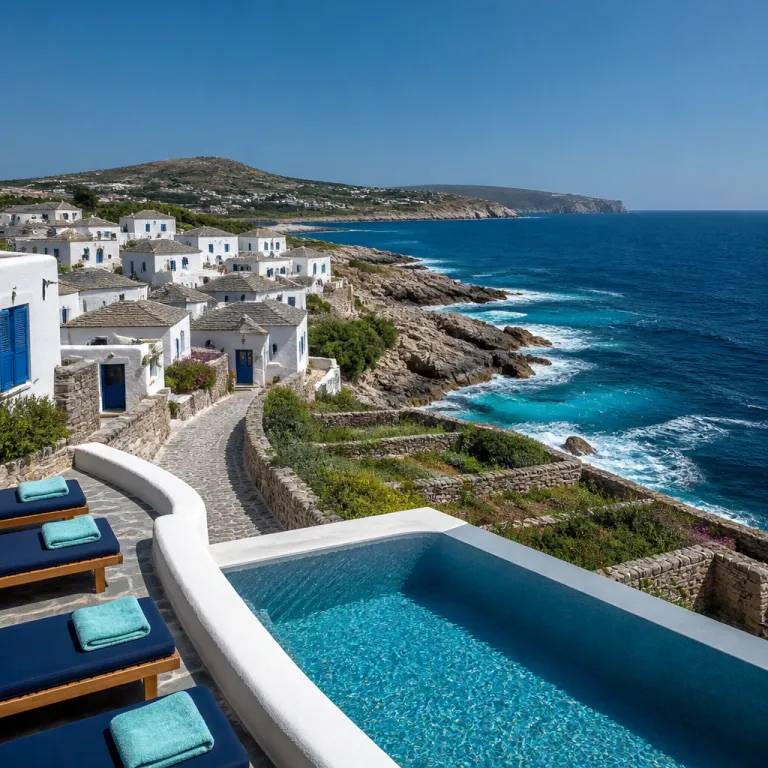
From Cagliari’s waterfront suites to Sardinia’s blue zone heartland
Step out from a sea view suite in Cagliari and you are closer to the famed Sardinia blue zone villages than most travelers realise. Within two hours, the polished marble of a luxury lobby gives way to stone lanes, small villages and a way of life that quietly explains why people live so long here. This proximity reshapes how you plan a stay on this beautiful island, because the blue zones are not a distant concept but almost a neighbour to your hotel.
Sardinia is one of the world’s five recognised blue zones, regions where the concentration of centenarians offering a window into healthy ageing is unusually high. In the rugged interior of Sardinia’s longevity area, especially Ogliastra and Barbagia, Belgian demographer Michel Poulain and colleagues mapped a remarkable cluster of people aged 100 and over in towns such as Villagrande Strisaili, Arzana and Seulo in work begun in 2000 and refined through the early 2000s. For a couple basing themselves in Cagliari, these villages turn a classic Mediterranean city break into a layered journey through both coastal living and long life inland.
Luxury travelers often arrive for the rugged coastline, the wine lists and the easy access to the rest of Italy, yet the fact Sardinia is a blue zone changes the narrative. You are not just on any Mediterranean island; you are in the only part of Italy’s longevity regions where male centenarians are especially numerous, with some municipalities recording rates several times the national average, such as Villagrande Strisaili where Poulain’s team identified more than 20 centenarians in a population of under 3,500 over a few decades. That single fact will subtly influence how you look at a glass of Cannonau wine, a plate of Sardinian cuisine or the pace of your day in town.
Why the inland villages outshine any spa menu
Wellness language follows you through many luxury hotels in Cagliari, from pillow menus to spa circuits, yet the real blue zone lessons sit quietly in the inland villages. In these Sardinian communities, people live by walking steep lanes, tending small fields and sharing time with neighbours rather than counting steps on a device. The rhythm of daily life, not a scheduled treatment, is what helps people live long in these longevity pockets.
Researchers studying the blue zones, including Dan Buettner’s popular summaries of Poulain’s work in books and National Geographic reporting from 2004 onward, found that in this part of Italy, daily movement, a plant-forward diet and strong family bonds matter more than any short retreat. Here, a typical day in a mountain village might include walking several kilometres between terraced plots, preparing vegetables with olive oil and a little pecorino, then lingering over local wine with friends. This is slow travel in its purest form, and it is why a drive from Cagliari into the mountains can feel more restorative than another hour in a steam room.
For couples used to curated spa journeys, the humility of these small villages can be disarming. Yet the blue zone lifestyle is not about deprivation; it is about pleasure taken in the right measure and shared with the right people. To understand what inland communities offer that the coast cannot, read the detailed guide on slow Sardinia and its inland villages before you book your Cagliari base, and consider how a Cagliari day trip to blue zone towns can sit alongside your time by the sea.
On the road from Cagliari: how to reach the centenarian towns
From Cagliari’s marina, the road north east climbs quickly, trading sea breeze for mountain air as you approach the Sardinia blue zone villages. Within 90 to 120 minutes of unhurried travel, the motorway narrows into winding routes that link small villages such as Villagrande Strisaili, Arzana and Seulo. The drive itself becomes part of the experience, as the rugged coastline gives way to cork oak forests and granite peaks that frame each town like a natural amphitheatre.
For a couple staying in a premium hotel, the most comfortable option is a private driver or a local guide who knows every bend and every bar where people live their ordinary yet long lives. Many Cagliari based concierges now work with specialists in longevity tourism who can arrange village lunches, walks with shepherds and visits to families in these blue zones. This is where the phrase magical place stops being marketing and starts to describe a real community that has quietly refined the art of living over many years.
Some luxury resorts on the south coast, such as Forte Village Resort, now offer curated excursions and “Centenarian Rituals” inspired by Sardinian traditions. Travel companies like Longèra Journeys and retreat organisers such as The Great Wellbeing build multi day itineraries that connect Cagliari, the interior villages and the wider Sardinia island, often covering roughly 120 to 150 kilometres in a day between city and mountains. For a broader view of how these initiatives fit into Sardinia’s evolving hospitality map, the analysis of Sardinia’s village focused investments is essential reading for anyone planning a Villagrande Strisaili itinerary or similar inland excursion.
Eating and drinking like a local, not like a wellness brochure
The blue zone diet in Sardinia is not a rigid plan but a pattern woven into everyday life in the villages. In these communities, people live on legumes, seasonal vegetables, whole grains and generous pours of olive oil, with Sardinian cuisine adding sheep’s milk cheese and modest portions of cured meats. Cannonau wine appears daily, yet usually in small glasses shared over long conversations rather than in hurried rounds at a bar.
When you stay in Cagliari, you can taste this balance without leaving town if you know where to look. Trattorie that serve minestrone rich in beans, pane carasau drizzled with olive oil and grilled vegetables echo the same diet that shapes the longevity villages inland, especially when paired with a single glass of deep red wine. The key is to treat each meal as the villagers do, as a time to pause, talk and connect with the community around you.
Researchers often summarise the pattern in simple terms: a region with a high concentration of centenarians, a Sardinian blue zone recognised for its unusually high number of male 100-year-olds, and programs that include village tours, cultural workshops and wellness sessions. In practice, that means your luxury stay can include a market visit in Cagliari in the morning, a drive to a mountain village for lunch and a return to your hotel terrace by evening. The contrast between polished service in town and the unhurried hospitality of the villages is where the deepest memories form, especially when you follow a Cagliari day trip to blue zone communities with a quiet dinner back on the waterfront.
Designing a Cagliari stay that honours blue zone wisdom
Thoughtful luxury in Cagliari starts with how you structure your time between city, sea and the Sardinia blue zone villages inland. Plan at least one full day for the mountains, leaving early from town so you can walk village lanes, share a simple meal and return to your hotel before nightfall. This balance lets you enjoy the comforts of a premium room while still engaging with the longevity lifestyle that makes this part of Italy unique.
On another day, stay closer to the coast yet keep the same principles in mind. Walk instead of taking taxis when possible, choose restaurants that highlight Sardinian cuisine rooted in vegetables and grains, and linger over a single glass of wine rather than rushing through a list. Even a sunset stroll along Poetto or a quiet hour in the Castello quarter can echo the slow, social living of the small villages inland.
Luxury properties around Cagliari are also rethinking their relationship with the land and sea that sustain this long life culture. Some are learning from conservation projects that protect seagrass meadows and the wider marine ecosystem, as explored in depth in this feature on how Sardinia’s resorts engage with Posidonia meadows. When a hotel respects both the rugged coastline and the inland blue zones, your stay becomes more than a holiday; it becomes a quiet lesson in how to live well for many years, grounded in the same values that researchers like Poulain and Buettner documented in Sardinia’s interior.
FAQ
What makes Sardinia’s blue zone villages different from other rural areas in Italy?
The Sardinia blue zone villages in Ogliastra and Barbagia stand out because they show an unusually high concentration of centenarians, especially men, compared with other rural regions of Italy. Studies inspired by Michel Poulain’s mapping of “blue” municipalities, first published in the early 2000s, found that in some of these small villages, the share of people reaching 100 can be several times higher than in comparable Italian areas. These communities combine steep terrain that encourages daily walking, a traditional diet rich in plants and olive oil, and tight knit community bonds that keep people socially engaged.
Can I visit blue zone villages on a day trip from Cagliari?
Yes, several of the key Sardinia blue zone villages are reachable from Cagliari in about 90 to 120 minutes by car, typically covering between 110 and 150 kilometres each way depending on the route. Many travelers arrange a private driver or guided tour so they can focus on the landscape, the rugged coastline views and the experience of each town rather than on navigation. A typical day might include a village walk, a home style lunch based on Sardinian cuisine and time with local people before returning to your hotel in the evening.
What kind of food will I eat in the blue zone villages?
Meals in these villages usually follow the traditional blue zone diet, centred on vegetables, beans, whole grains and bread, all dressed generously with local olive oil. Sheep’s milk cheese, modest amounts of cured meats and a glass of Cannonau wine often complete the table, reflecting how people live and eat here over many years. Portions tend to be moderate, and meals are unhurried, with conversation and community as important as the dishes themselves.
Are there organised luxury experiences focused on Sardinia’s blue zones?
Several high end operators now design itineraries that connect Cagliari with the Sardinia blue zone villages and the wider Sardinia island. Forte Village Resort has created programs inspired by centenarian rituals, while companies such as Longèra Journeys and The Great Wellbeing offer curated travel that blends wellness sessions, cultural workshops and village tours. These experiences aim to translate blue zone principles into thoughtful journeys without reducing the villages to a simple wellness trend.
How can I respect local communities when visiting blue zone towns?
Respect starts with treating each town as a living community, not an open air museum, and by remembering that people live and work here every day. Travel with small groups, dress modestly, ask before taking photos and support local businesses by eating in family run trattorie or buying crafts directly from artisans. Allow time for genuine conversation, and you will find that the most meaningful insights into long life come from simple exchanges rather than staged experiences.