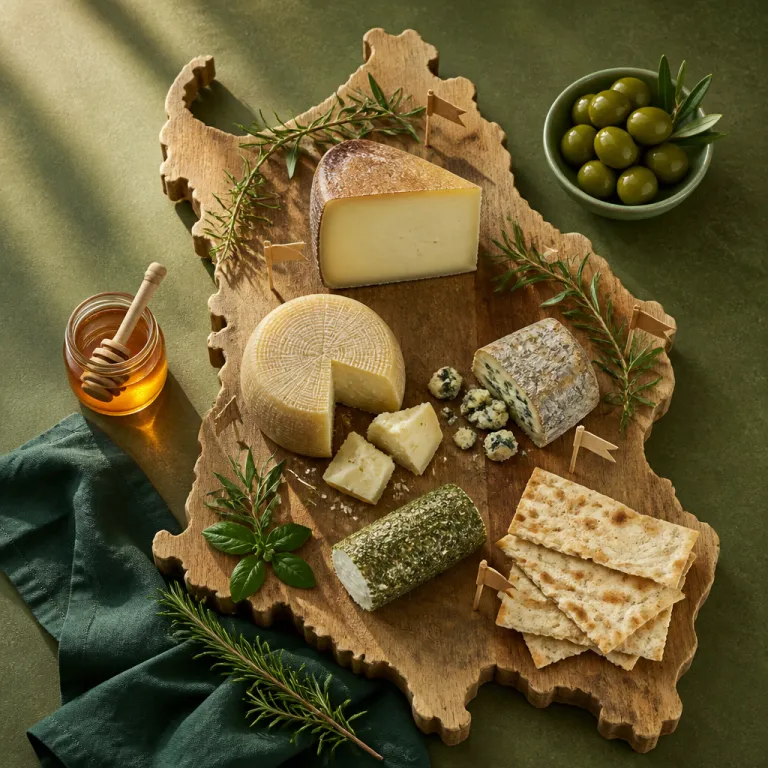
Pecorino landscapes: how luxury hotels in Cagliari frame sardinian cheese pecorino
Step into a high floor suite in Cagliari and the first thing you notice is not the marble bathroom but the plate of Sardinian pecorino cheese waiting beside a chilled Vermentino. The best luxury and premium hotels in the city now treat local cheeses as a signature amenity, using them to introduce guests to Sardinia’s pastoral soul before they even reach the restaurant. For business leisure travelers, that first taste quietly signals whether a property truly understands the island’s food culture or just decorates with generic Mediterranean clichés.
On curated welcome boards you will usually find at least one pecorino cheese from Sardinia, often a young Pecorino Sardo Dolce alongside a more aged pecorino hard with a straw yellow paste and a firm, hard cheese texture. These PDO cheeses are produced from sheep milk that has shaped the island’s dairy economy for centuries, and the contrast between soft and hard styles mirrors the island’s mix of coastal ease and rugged interior. When a concierge can explain why one slice carries a protected designation of origin and another is a farmhouse experiment, you know you are in the right hotel.
Top properties now brief their teams so that every server can speak confidently about cheese Sardinia traditions, from the role of milk sheep in transhumance to why cow milk appears only in a few mixed milk cheese specialties. At places such as Palazzo Doglio or Hotel Regina Margherita, you might be offered a comparison between Sardinian pecorino and Pecorino Romano, or even a shard of Parmigiano Reggiano to show how different Italian hard cheeses express terroir. According to the Consorzio per la Tutela del Formaggio Pecorino Sardo and the Consorzio per la Tutela del Formaggio Fiore Sardo, these protected products must be made entirely on the island, and when staff reference those rules the main SEO keyword sardinian cheese pecorino becomes a lived experience rather than a line on a menu.
Pecorino sardo DOP and Fiore Sardo: the twin pillars of sardinian cheese pecorino
Any serious hotel wine list in Cagliari now builds its food pairing section around two names, Pecorino Sardo DOP and Fiore Sardo DOP, because together they define what Sardinian pecorino really means. Pecorino Sardo is the island’s anchor cheese, made from sheep milk and offered in dolce form with a soft, elastic texture and in maturo form that is aged longer, harder, and more intense in flavor. Fiore Sardo, by contrast, is a raw milk cheese with a naturally strong and slightly smoky character that speaks directly of shepherd fires and mountain huts.
Fiore Sardo is a traditional Sardinian sheep’s milk cheese with a slightly smoked flavor. Produced from raw sheep milk, coagulated with lamb rennet, molded, lightly smoked, and aged for at least 105 days, it is one of the oldest PDO products on the island. It has a strong, slightly salty flavor with a piquant note, especially in mature cheeses. Enjoyed as a table cheese or grated over traditional Sardinian food, it shows how carefully controlled dairy methods preserve authentic flavor. The official production rules published by the Consorzio per la Tutela del Formaggio Fiore Sardo specify that the cheese must be produced and aged entirely in Sardinia, so when a hotel sommelier sets a flight of Cannonau and Carignano beside slices of these cheeses, the tasting becomes a compact seminar in Sardinian identity.
For guests extending a business stay, this is where the island’s pastoral economy becomes tangible, especially when staff reference the Sardinian shepherds and the Consorzio per la Tutela del Formaggio Fiore Sardo, which documents how the cheese must be produced entirely within Sardinia to keep its protected designation. Many premium hotels now collaborate with local dairy cooperatives, bringing in cheeses produced in the interior and explaining how each designation of origin protects both flavor and livelihoods. If you want to go deeper into pairings, ask the concierge to align a cheese tasting with a visit to one of the small producers featured in the guide to the Sardinian wine revolution and its small estates, where pecorino cheeses and native grapes meet in quietly luxurious tasting rooms.
From market counters to Michelin tables: where to taste sardinian cheese pecorino in Cagliari
The most instructive way to understand Sardinian cheese pecorino is to start at San Benedetto market before retreating to your hotel’s rooftop bar. At the dairy counters you will see wheels of cheese pecorino stacked beside other cheeses from across Sardinia, their rinds ranging from pale yellow to deep amber and their labels quietly signalling which are PDO certified. Ask to sample both soft and hard styles, then note how the authentic flavor shifts from lactic and gentle to strong, salty, and almost spicy.
Back in the city’s fine dining rooms, chefs treat these cheeses as building blocks rather than garnishes, especially in restaurants highlighted in Cagliari’s own restaurant awards and dining evolution. A tasting menu might open with a translucent shard of aged Pecorino Sardo brushed with olive oil, then move to a soft cheese foam over fregola, before finishing with a plate of Pecorino Romano and Parmigiano Reggiano served almost like dessert. Luxury hotels that take gastronomy seriously will often secure priority reservations at these tables, turning a work trip into a quietly orchestrated culinary tour.
Room service menus have evolved as well, now offering curated cheese Sardinia plates that balance Sardinian pecorino with cow milk tomes and experimental milk cheese blends. You might find a straw yellow pecorino hard from the interior, a semi soft dairy product from the coast, and a sliver of Fiore Sardo whose smoked rind carries a strong pastoral note. Paired with local olive oil, pane carasau, and a glass of Carignano, this becomes the executive’s ideal late night supper, light enough for sleep yet rich enough to feel like a reward for another day of meetings.
Cave aged cheeses and the Seui connection: designing hotel experiences around sardinian cheese pecorino
Some of the most compelling stories behind Sardinian cheese pecorino begin far from Cagliari’s waterfront, in the limestone caves near Seui where wheels are aged in natural humidity. These caves maintain a steady climate that allows cheeses produced from sheep milk to mature slowly, developing a dense, hard cheese body and a complex flavor that shifts from nutty to almost caramelized. Regional food studies and local tourism boards describe how this traditional cave aging, still used by a handful of producers, gives certain pecorino cheeses their distinctive straw yellow interior and long, strong finish.
High end concierges now curate day trips that link coastal comfort with this interior drama, often combining a morning departure from Cagliari with a guided visit to shepherd cooperatives and cave aging rooms. Guests taste young, soft pecorino cheeses beside fully aged pecorino hard wheels, noting how the straw yellow paste darkens and how the strong aroma intensifies with time. These itineraries often weave in stops suggested in broader regional guides, such as the elegant route from Cagliari to the Emerald Coast outlined in the San Pantaleo and Emerald Coast travel guide, but always return to the capital in time for an aperitivo overlooking the port.
Back at the hotel, chefs translate these cave experiences into tasting flights, perhaps offering three Sardinian pecorino samples from different altitudes, all produced with milk sheep and lamb rennet but aged in distinct environments. One might be a semi hard cheese from a modern dairy, another a robust cheese Sardinia wheel matured in Seui’s caves, and the third a rare Sardo experiment blending a touch of cow milk for a softer edge. For the executive traveler, this is terroir as structured learning, delivered with linen napkins and a view of the sea.
Casu marzu, pastoral ethics, and how hotels talk about sardinian cheese pecorino
No map of Sardinian cheese pecorino is complete without addressing casu marzu, the infamous “living cheese” that many guests ask about as soon as they see sheep on a menu. Casu marzu is illegal to sell commercially, yet it persists in private circles in the Sardinian interior, where some families still treat it as a ritual food rather than a curiosity. Luxury hotels in Cagliari rarely serve it, but the best concierges know how to explain its cultural context without turning it into a sideshow.
When guests inquire, thoughtful staff position casu marzu within the broader spectrum of Sardinian cheeses, from regulated PDO products like Pecorino Sardo and Fiore Sardo to experimental farmhouse wheels that never leave their villages. They might explain how traditional dairy practices once relied on natural processes that could lead to such extreme fermentations, and how modern food safety rules now draw a clear line between protected designation cheeses and informal creations. This honest framing respects both the pastoral culture and the expectations of international travelers who value authenticity but also demand rigorous standards.
Some hotels use casu marzu as a starting point to discuss sustainability, showing how the same sheep that might once have produced such a cheese now contribute to carefully controlled pecorino cheeses served in their restaurants. They highlight how Sardinia’s pastoral economy depends on fair prices for milk sheep, transparent designation of origin rules, and a new generation of Sardo producers who balance tradition with hygiene. In this way, even a cheese you will probably never taste becomes part of a larger narrative about how Sardinia, and its capital Cagliari, are redefining luxury through respect for land, animals, and the authentic flavor of every slice placed on your plate.
How to order, pair, and ship sardinian cheese pecorino from your Cagliari hotel
Once you have fallen for Sardinian cheese pecorino, the next question is practical, namely how to keep tasting it after you check out. Many premium hotels now maintain relationships with selected cheese Sardinia producers and can arrange insulated shipments of pecorino cheese, Fiore Sardo, and other products directly to your home. For business travelers this concierge service turns a fleeting room amenity into an ongoing connection with Sardinia’s dairy culture.
When ordering, think in terms of a balanced selection that reflects the island’s range, perhaps a soft young Pecorino Sardo, an aged pecorino hard with a straw yellow interior, and a robust Fiore Sardo with a strong smoky flavor. Add a wedge of Pecorino Romano and a piece of Parmigiano Reggiano to compare Italian hard cheeses, then include a smaller portion of a mixed milk cheese that blends sheep milk with cow milk for a gentler profile. Ask the hotel’s sommelier to suggest wines and olive oil pairings, ideally from the same regions where the cheeses are produced, so you can recreate a complete Sardinian food experience at home.
For on site enjoyment, remember that these products show their authentic flavor best at room temperature, so request that your cheese plate be brought up slightly before you plan to eat. Pair hard cheese slices with structured reds and softer dairy styles with mineral whites, and do not hesitate to ask staff to explain each designation of origin as you taste. In the quiet of a well appointed suite, with the city lights of Cagliari below, this simple ritual of cheese, bread, and wine becomes the most luxurious way to end a working day on the island of Sardinia.
FAQ about sardinian cheese pecorino and Cagliari hotels
Which sardinian cheese pecorino should I try first in Cagliari ?
If you are new to Sardinian cheese pecorino, start with Pecorino Sardo Dolce, which is a soft, mild cheese made from sheep milk and usually aged for a relatively short period. Then move to Fiore Sardo, whose stronger, lightly smoked flavor shows the island’s pastoral character more clearly. Tasting these side by side in a hotel bar or restaurant will give you a clear sense of how Sardinian cheeses evolve with aging.
Can luxury hotels in Cagliari arrange visits to cheese producers in Sardinia ?
Many high end hotels in Cagliari work closely with shepherd cooperatives and dairies across Sardinia and can organize private tours. These excursions often include visits to farms where milk sheep are raised, dairies where cheeses are produced, and sometimes cave aging sites near Seui. Ask your concierge for a tailored itinerary that fits around meetings or conference schedules.
How do Cagliari restaurants typically serve sardinian cheese pecorino ?
Restaurants in Cagliari use Sardinian cheese pecorino in several ways, from simple tasting plates to more elaborate dishes. You will often find Pecorino Sardo grated over pasta, Fiore Sardo shaved onto vegetables with olive oil, and aged hard cheese served with honey or jams at the end of a meal. Fine dining venues highlighted in local restaurant guides tend to offer structured cheese courses that showcase multiple PDO products.
Is casu marzu available in Cagliari hotels or restaurants ?
Casu marzu is not served in reputable hotels or restaurants in Cagliari because it cannot be sold legally through commercial channels. You may hear about it in conversations with locals or guides, but it remains a private, rural tradition rather than a mainstream food offering. Luxury properties instead focus on regulated cheeses such as Pecorino Sardo, Fiore Sardo, and other PDO products that meet modern safety standards.
Can I bring sardinian cheese pecorino back to the United States from Sardinia ?
Whether you can bring Sardinian cheese pecorino home depends on current customs regulations for animal products, which can change. Many travelers choose vacuum packed, aged hard cheese varieties like Pecorino Sardo Maturo or Fiore Sardo because they travel better and are more likely to be accepted. It is wise to check official U.S. customs guidance before departure and to ask your hotel or cheese shop to package products appropriately for international travel.