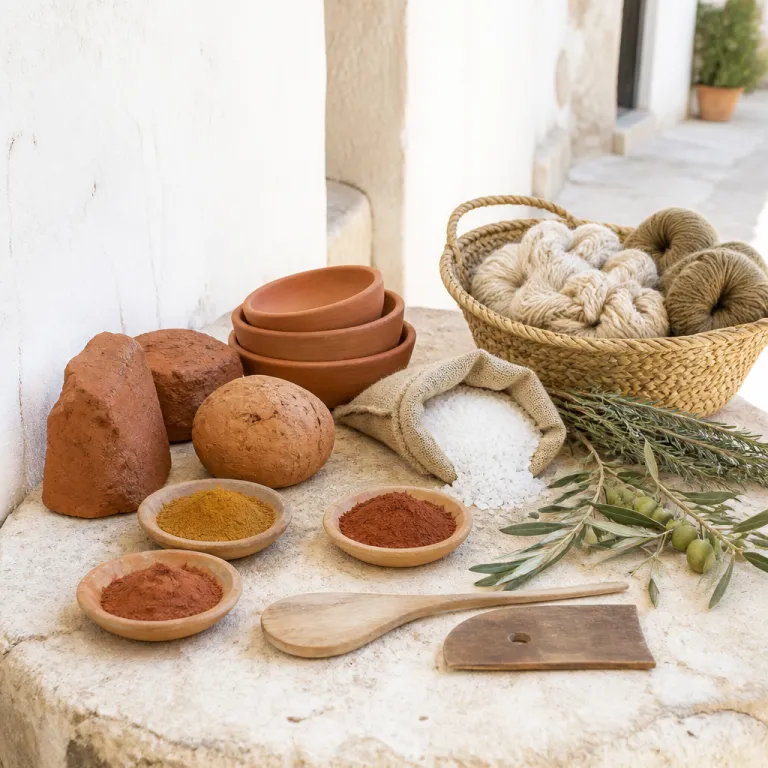
Villanova Cagliari quarter between Castello and the sea
Villanova sits on the eastern slope of Cagliari, between Castello and the sea. This historic quarter was historically the merchants’ and artisans’ area just outside the fortified walls of the Cagliari city, and that geography still shapes how you move through it today. From the center of Cagliari around piazza Matteotti you can walk to Villanova in under fifteen minutes, trading traffic for narrow streets scented with jasmine and coffee from small bars.
Many visitors cross Villanova on their way from the marina to Castello, barely noticing the historic streets. Yet this is one of the most characterful historic districts in Cagliari, with low houses, small shops and churches that feel woven into daily life rather than staged for tourists. When you choose to stay in this area, you gain walking distance access to both the lively waterfront around via Roma and the hilltop bastions of Castello and Stampace without sacrificing quiet nights.
Villanova belongs to a quartet of central districts in Cagliari that also includes Marina, Stampace and Castello. Marina is lively and dense with restaurants, while Stampace and Villanova together frame the older city like bookends, each with its own rhythm and historic identity. Castello, Stampace and Villanova share medieval roots, but Villanova’s streets are flatter, easier for a family walk, and better suited to strollers than the steep lanes of Castello.
Local authorities and residents treat Villanova as a living Cagliari historic quarter rather than an open air museum. Community initiatives, artisan workshops and cultural events such as the Easter Settimana Santa processions are used as methods to preserve the district’s identity and support the local economy. The expected impact, documented in municipal cultural plans from the Comune di Cagliari, is sustained cultural heritage and economic growth, which you feel in the way Villanova residents greet each other by name on the main streets at midday.

Historic churches and quiet piazzas in Villanova
The spiritual heart of the Villanova Cagliari quarter lies in its churches and small piazzas. San Giacomo rises above the surrounding streets with a pale façade that catches the soft sea light, while the nearby church of Nostra Signora del Carmine anchors a quieter corner where older Villanova residents sit and talk. These historic places are not staged monuments but working churches, and you will often see families slipping in for a quick prayer between errands.
Walk east from Villanova and you reach the Basilica di San Saturnino, usually called San Saturnino, one of the oldest Christian buildings in Sardinia. This historic church stands slightly apart from the denser streets of Villanova, but it belongs to the same web of Cagliari historic faith and daily life that links Castello, Stampace and Marina. For travelers interested in historic districts, San Saturnino offers a rare sense of continuity, from early Christian stonework to the modern city that now surrounds it.
From Villanova you can also reach the Orto Botanico, the botanical garden of Cagliari, in a short walk of around fifteen minutes. The Orto Botanico sits closer to Stampace, yet it forms part of a green belt that families in Villanova use on warm spring and summer afternoons when the stone streets hold too much heat. Combining a visit to San Saturnino with a shaded stroll in the Orto Botanico gives you a layered view of the Cagliari city, from ancient faith to Mediterranean plant life.
Villanova’s position makes it an ideal base for exploring wider Sardinian heritage, including the Phoenician and Roman remains at Nora an hour south of Cagliari. If you are planning a day trip that follows Phoenician footsteps from a comfortable urban base, staying in Villanova allows an easy morning departure and a relaxed evening return. From the perspective of a premium family traveler, this balance between historic depth and logistical ease is one of the best reasons to stay in this quarter of Cagliari.

Artisan workshops, small shops and market culture
Villanova has always been a working quarter, and its artisan tradition remains one of the best reasons to linger here at midday. Leatherworkers, jewellers specialising in Sardinian filigree and ceramicists still operate from ground floor workshops, their doors open to the streets so you can watch the work. These small shops form a living alternative to the more polished shopping streets closer to the lively promenade of the marina.
Population data from the Comune di Cagliari indicate that around 5,000 people live in Villanova, supported by roughly 50 artisan shops registered in the district in recent business surveys. Those numbers are modest for a Cagliari city neighborhood, yet they explain why this historic quarter feels so human scaled and easy to navigate on foot. When you walk through Villanova at midday, you see deliveries of local produce, olive oil and wine arriving at corner groceries that serve residents rather than tourists.
Market culture here is intimate rather than grand. Instead of a single main market hall, Villanova relies on a network of small shops and family run alimentari where Villanova residents buy bread, cheese and seasonal fruit. If you are interested in Sardinian food culture beyond the beach and sea clichés, use Villanova as a base and then explore a detailed Sardinian cheese map from Fiore Sardo to the caves of Seui through a dedicated guide, which helps you connect what you taste in local restaurants with the landscapes beyond the city.
For premium family travelers, this artisan and market fabric matters when choosing where to stay. A luxury hotel or serviced apartment in this area places you within walking distance of real daily life, not only the busy strip of bars and restaurants along the waterfront. When comparing options on a curated luxury hotel guide, look for properties that reference proximity to Villanova’s workshops and small shops rather than only highlighting views of the sea or access to the beach.

Where to stay in Villanova for premium families
Choosing the right place to stay in Cagliari can define how you experience the Villanova Cagliari quarter. Families who value quiet nights, walkable streets and access to historic districts usually find this area more comfortable than the denser lanes of Marina. You are still within walking distance of the waterfront and piazza Matteotti, but your immediate surroundings feel more residential and less transient.
When evaluating luxury and premium hotels in Villanova, focus on three criteria. First, check how the property connects you to the main historic sites such as San Giacomo, San Saturnino and the Orto Botanico, ideally within a ten to fifteen minute walk. Second, look for family friendly layouts with interconnecting rooms or suites, since many historic buildings in Cagliari have been converted into hotels with varied room shapes and sizes.
Third, pay attention to how the hotel frames its relationship with the area. Properties that highlight nearby small shops, artisan workshops and local restaurants usually have stronger ties to Villanova residents and a better understanding of the quarter’s rhythms. This is particularly valuable in spring and summer, when the streets fill with children playing and families heading to early dinners before the heat fully fades.
Business travelers familiar with premium accommodations in other cities sometimes compare Cagliari to larger hubs, but the scale here is different. A thoughtful guide to luxury hotels in another urban context can help you refine your expectations, yet in Villanova the best stays are defined less by grand lobbies and more by how easily you can walk from your door to the historic heart of the city. For a premium family, that might mean choosing a smaller property with attentive service over a larger hotel closer to the nightlife of the marina.

Walking Villanova at midday: routes between districts and the sea
Midday is when the Villanova Cagliari quarter reveals its true character. The sun sits high above the sea, shutters close on upper floors and the streets fall into a soft hush broken only by footsteps and the clink of cutlery from family kitchens. Tourists often rush through on their way to the beach or Castello, but slowing your walk changes everything.
One of the most rewarding routes starts near piazza Matteotti in the central Cagliari transport hub. From there you cross towards Marina, then slip into Villanova along quieter streets lined with small shops and workshops before climbing gently towards Castello. This walk links three historic districts of Cagliari — Marina, Villanova and Castello — in under thirty minutes, yet each area feels distinct in sound, light and pace.
Another route leads from Villanova towards Stampace and the Orto Botanico, creating a loop that shows how Castello, Stampace and Villanova once formed a defensive and commercial ring around the older core of the Cagliari city. Along the way you pass churches such as San Giacomo and Nostra Signora, then continue towards San Saturnino before circling back through residential streets. These walks are short in distance but rich in layers, ideal for families with children who tire quickly yet remain curious.
Practical advice from local initiatives is simple and worth following. Wear comfortable shoes, visit local workshops and respect local customs, especially during the quiet hours of summer when Villanova residents rest behind closed shutters. What is Villanova known for? A historic district with artisan workshops. How to reach Villanova? Walk from Cagliari city center. Best time to visit Villanova? Spring and autumn.
FAQ
Is Villanova a good area to stay in Cagliari for families?
Villanova is one of the best areas in Cagliari for premium families who value quiet streets, walkability and access to historic sites. You are within walking distance of Marina, Castello and Stampace, yet the immediate streets feel more residential and less crowded at night. Many properties here offer easy access to restaurants, small shops and playgrounds without the noise of the lively bar scene along the marina.
How far is Villanova from the beach and the sea?
Villanova is an inner city quarter, so you will not be directly on the beach or the sea. By public transport or taxi, you can usually reach Poetto beach from Villanova in around twenty to thirty minutes, depending on traffic. This makes Villanova a practical base if you want to combine cultural days in the Cagliari historic center with occasional trips to the coast.
Can you explore Villanova and other historic districts on foot?
Yes, Villanova is designed for walking, and most key places are within short distances. From the Villanova Cagliari quarter you can walk to Marina, Castello and Stampace, linking several historic districts of Cagliari in a single morning. The terrain is gentler than in Castello, which helps families with strollers or travelers who prefer flatter streets.
What are the main historic churches to visit in Villanova?
The most significant churches in Villanova include San Giacomo, Nostra Signora del Carmine and the nearby Basilica di San Saturnino. Each church reflects a different layer of Cagliari historic development, from early Christian foundations to later parish life. All three are reachable on foot from most accommodation in the area, making them easy to include in a relaxed walking itinerary.
When is the best time of year to experience Villanova’s atmosphere?
Spring and autumn offer the most comfortable temperatures for exploring the Villanova Cagliari quarter on foot. During spring and summer the light is beautiful but midday heat can be intense, so early mornings and evenings are preferable for longer walks. Winter remains mild compared with many European cities, and the quieter streets then highlight Villanova’s role as a lived in neighborhood rather than a seasonal destination.