Why diving Cagliari Sardinia belongs on a luxury traveler’s map
The Gulf of Angels looks calm from a Poetto sun lounger, yet diving Cagliari Sardinia reveals a second city below the surface. Under the water you move through Posidonia seagrass avenues, Roman anchors and marine ledges that feel far removed from crowded Europe beach clichés. For a solo explorer staying in a premium hotel, one carefully planned dive day can sit elegantly between a market visit and an aperitivo on a rooftop terrace.
Local guides treat every dive as a curated marine excursion, not a volume operation, and they limit groups to four or six Divers so conversations continue naturally back on the boat. The official context is marine biodiversity exploration, with clear goals to experience underwater ecosystems and promote marine conservation while keeping the activity relaxed and social. Operators schedule morning departures and afternoon departures from the marinas that sit a short car ride from Cagliari’s luxury waterfront properties, so you can choose whether the sea frames your breakfast or your sunset.
The average water temperature around the Gulf of Angels sits close to 20 °C across the year, yet from June to October it rises to around 22–27 °C and makes thin wetsuits optional for confident Divers. Visibility typically ranges from 15 meters and can extend toward 30 meters in stable summer conditions, which means even first time visitors can find their bearings quickly on the descent line. For travelers used to browsing anonymous forums before they book, this is one of those rare places where reality matches the nicest underwater photos you see when you search for diving Cagliari Sardinia on any travel website.
From Sella del Diavolo to Villasimius: key places to dive by boat
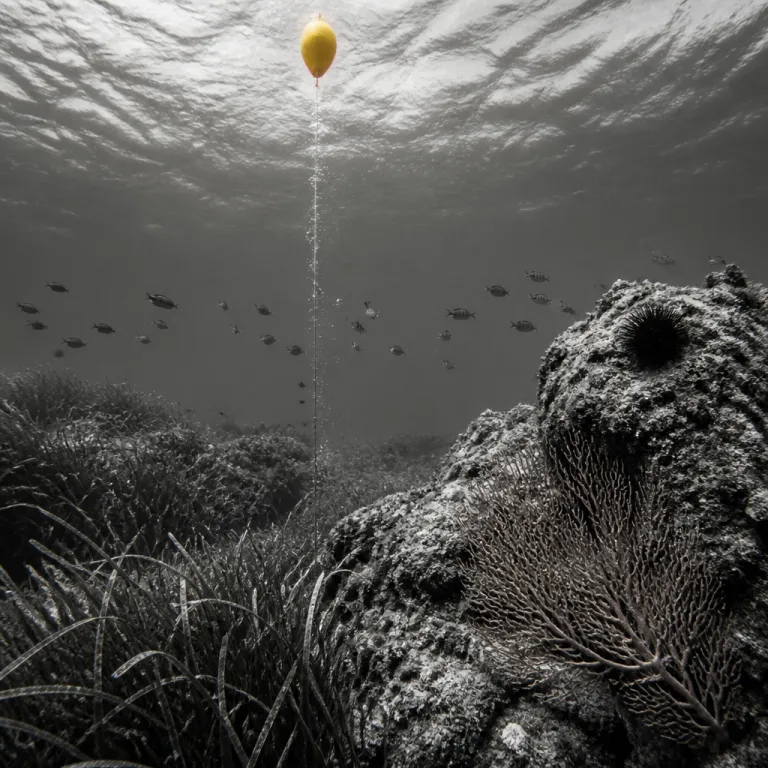
Staying in a seafront suite near Poetto puts you within minutes of Sella del Diavolo, where diving Cagliari Sardinia begins with a short boat ride under the limestone cliffs. Below the surface you follow walls and small caves between 10 and 30 meters, with marine life threading in and out of the Posidonia meadows that carpet the seabed. Groupers, octopuses, barracudas, amberjacks and nudibranchs are all regularly seen here, and local Guides repeat the same line to new Divers : "What marine species can be seen? Groupers, octopuses, barracudas, amberjacks, nudibranchs."
East of the city, Villasimius and the Capo Carbonara marine protected area offer a different scale of diving Cagliari Sardinia, with one of the densest Posidonia forests in the western Mediterranean. Here the boat drops you near pinnacles where grouper and barracuda patrol, eagle rays cruise the blue and the water clarity can feel almost unreal on the best day. Luxury travelers often split their stay between a Cagliari hotel and a refined beachfront escape near Villasimius, using a property such as a high end resort on Sardinia’s southeast coast as a base for multi day marine adventures.
Closer to town, Cala Mosca reef and the Poetto shallows suit relaxed dives and long snorkelling sessions when you want a lighter water day between deeper excursions. Scuba diving and snorkeling both feature in local programs, and modern diving gear makes the logistics straightforward even for travelers who log register their first Mediterranean dive here. Expect single dive prices in the range of 50 to 80 euros with local dive centers, with PADI and SSI certification courses available if you decide to extend your stay and formalize your skills.
The Roman anchor fields and Cagliari’s underwater archaeology
One of the most distinctive aspects of diving Cagliari Sardinia is the quiet drama of its archaeological sites, where Roman anchors lie scattered across the seabed like a forgotten sculpture park. These underwater places sit within easy boat reach of Cagliari’s marinas, yet they feel far removed from the city traffic and the cafés that line Via Roma. For a solo traveler who usually spends evenings in hotel lounges reading history threads on travel forums, dropping onto a real anchor field is a rare way to connect the past with the present.
Guided archaeological dives are structured carefully, with Guides briefing Divers on how to move above the artefacts without stirring sediment or touching the anchors. Eco friendly diving practices are non negotiable here, and the expected impact is increased awareness of marine life and cultural heritage rather than a quick photo for social media. Operators insist that you ensure proper certification before joining these excursions, and they will check your logbook and register your participation so the activity is documented correctly.
Back on land, the experience pairs naturally with Cagliari’s museums and with a walk through Castello, where stone walls echo the anchors you saw under water. If sailing culture also interests you, the city’s role as a rising Mediterranean sailing hub is explored in depth in this guide to how Cagliari became a sailing capital, which complements the archaeological perspective from the sea. Taken together, these layers make diving Cagliari Sardinia feel less like a standalone sport and more like a way to read the Gulf of Angels as a living archive.
Practical logistics: from luxury hotel lobby to dive deck
For guests staying in Cagliari’s luxury and premium hotels, the transition from marble lobby to dive deck is surprisingly smooth. Most high end properties maintain relationships with local dive centers and tour operators, so the concierge can book in advance, arrange transfers by car and coordinate your preferred departure time. Morning departures work well if you want to return for a late lunch on a shaded terrace, while afternoon departures suit travelers who prefer a slow breakfast and a sunset ride back toward the city lights.
Before any diving Cagliari Sardinia experience, operators will ask you to check weather conditions and confirm that you hold a valid diving license, because a proper certification is required for scuba excursions. Snorkeling remains an option for companions without a license, and snorkeling equipment is usually included or easily rented on site. The use of modern diving equipment is standard across reputable centers, and you will notice that even rental gear is maintained to a level that matches the expectations of guests used to premium hotel service.
From a budgeting perspective, single dives priced between 50 and 80 euros sit comfortably within the overall spend of a luxury stay in Sardinia, especially when compared with fine dining or spa treatments. Certification courses require more days and a higher cost, yet they turn the Gulf of Angels into a training ground you can return to on future trips. For solo travelers, the inherent sociability of the boat and the small group format means you rarely feel alone, and many Divers end up sharing a drink back at the hotel bar after a long water day.
Solo explorer mindset: social boats, small groups and digital habits
Dive boats in Cagliari function almost like floating lounges, which makes them ideal for solo travelers who enjoy conversation but value independence. Small groups of four to six Divers share benches, marine stories and tips about the nicest restaurants in town while the boat heads toward Sella del Diavolo or Capo Carbonara. The result is that diving Cagliari Sardinia becomes both a nature experience and a social ritual, with new acquaintances often continuing the thread over aperitivo in the marina.
Many guests arrive having read long thread starter posts on travel forums, where users debate which places offer the clearest water or the best chance of seeing grouper. Some will have used a travel app to search for Cagliari dive centers, perhaps via Google on an alternative browser they installed as an upgrade alternative to their default. Once on site, though, the digital noise fades and what matters is the calm voice of the Guides, the steady rhythm of the boat and the way the top and bottom of the water column feel connected when visibility stretches beyond 15 meters.
After the dive, it is common to share a link to your favorite operator or hotel via email share options or through social platforms such as WhatsApp, email, Reddit, Pinterest, LinkedIn or Bluesky. Many travelers will share Facebook posts or cross post between Facebook, Bluesky and LinkedIn, while others prefer to log, register and then register a reply on specialist link forums where Divers trade detailed notes. However you choose to share the experience, the combination of a refined hotel base and a welcoming dive community makes diving Cagliari Sardinia particularly well suited to the Solo Explorer persona.
Planning your stay: pairing Cagliari’s hotels with marine days
Choosing the right hotel is as important as choosing the right dive site when you plan a trip focused on diving Cagliari Sardinia. Waterfront properties near Poetto offer immediate access to the beach and quick transfers to the marinas, while historic center addresses place you closer to restaurants, galleries and the evening passeggiata. Either way, you want a concierge team comfortable arranging marine excursions, early breakfasts and late checkouts so your water days feel effortless rather than rushed.
Some travelers design an itinerary that combines Cagliari’s urban energy with a countryside interlude, using guides such as this curated selection of agriturismo stays in Tuscany for Cagliari based travelers to extend their Italian journey. Others focus entirely on Sardinia, pairing a city hotel with a coastal resort and using a rental car to move between them at their own pace. In both cases, booking through a specialized platform that understands luxury expectations in Cagliari ensures that the marine side of the trip is integrated into the overall stay rather than treated as an afterthought.
When you review websites correctly before booking, pay attention to how clearly operators explain their safety standards, group sizes and environmental policies. Look for signs that they correctly upgrade and maintain their equipment, and that their online booking forms function smoothly even if you use an alternative browser or install an app to manage your reservations. A thoughtful combination of hotel choice, dive center selection and flexible transport turns diving Cagliari Sardinia from a single excursion into a coherent theme that shapes your entire time along the Gulf of Angels.
Key figures for diving in the Gulf of Angels
- Average water temperature around the Gulf of Angels is approximately 20 °C across the year, according to local dive centers, which makes diving Cagliari Sardinia viable in all seasons with appropriate exposure protection.
- Visibility typically starts around 15 meters in the Gulf of Angels, based on données from local operators, and can extend toward 30 meters in stable summer conditions, giving Divers clear views of marine life and archaeological features.
- Single guided dives with reputable Cagliari and Villasimius centers usually cost between 50 and 80 euros, a range that aligns with other premium Mediterranean destinations while offering access to a marine protected area and archaeological sites.
- Small group sizes of roughly four to six Divers per Guide are standard on quality boats, which enhances safety, improves wildlife encounters and suits the expectations of luxury hotel guests seeking attentive service.
- Diving excursions operate year round with morning departures and afternoon departures, but the peak comfort window for warm water and stable weather typically runs from June through October for most travelers.
FAQ about diving Cagliari Sardinia and the Gulf of Angels
What marine species can I expect to see when diving here ?
Local Guides report regular encounters with groupers, octopuses, barracudas, amberjacks and nudibranchs on dives around Sella del Diavolo, Cala Mosca and Capo Carbonara. The mix of rocky reefs and Posidonia meadows creates varied habitats, so each dive day can feel different even on the same site. In the marine protected area near Villasimius, Divers also frequently see schools of barracuda and, in the right season, eagle rays gliding along the drop offs.
Do I need a diving license to join boat dives in Cagliari ?
Yes, a valid diving license from an organization such as PADI or SSI is required for scuba excursions in the Gulf of Angels. Dive centers will check your certification card, review your recent experience and may ask to see your logbook before taking you to deeper sites or archaeological areas. If you are not yet certified, you can join guided snorkeling trips or enroll in a course that combines pool sessions with open water dives during your stay.
Are guided diving tours available directly from Cagliari ?
Guided tours operate from Cagliari’s main marinas and from nearby Villasimius, with local dive centers and tour operators running daily boat departures in suitable weather. These excursions include equipment, tanks and a professional Guide who leads the group, manages safety and interprets the marine life and underwater landscapes. Many luxury hotels can arrange these tours on your behalf, coordinating transfers and schedules so they fit smoothly into your itinerary.
When is the best period to plan a luxury dive focused stay ?
Diving is possible year round, but most luxury travelers target the warmer months from June to October, when water temperatures reach roughly 22–27 °C and visibility often improves. During this window, you can comfortably combine morning dives with afternoons on Poetto beach or by the hotel pool without feeling chilled. Shoulder seasons offer quieter boats and softer light in the city, which some solo explorers prefer even if they need thicker wetsuits.
How can I ensure my dives support marine conservation efforts ?
Choose operators who emphasize eco friendly diving practices, such as strict buoyancy control above Posidonia meadows, no touch policies on reefs and anchors, and clear briefings about local regulations. Many centers in Cagliari and Villasimius participate in monitoring programs that track marine biodiversity, so by joining their dives you contribute indirectly to conservation données. As a guest, you can further support these efforts by avoiding single use plastics on the boat and by sharing accurate information about responsible diving Cagliari Sardinia when you post on social media or travel forums.