From Cagliari’s luxury hotels to Sardinia’s Blue Zone kitchens
Check into a refined hotel in Cagliari and you are already closer to the villages where people live past one hundred. From the marina to Castello, concierges now speak fluently about the sardinia cooking class blue zone experiences that begin in the capital and end in stone farmhouses above the Mediterranean Sea. In this city, you will find that longevity is not a wellness trend but a quiet thread running from breakfast buffets to late dinner reservations.
High end properties along Via Roma and near the port curate private cooking classes that lead you inland to Ogliastra, the most studied zone Sardinia offers for extreme longevity. These tailored excursions connect your sea relaxing stay with the mountain villages where traditional Sardinian families still eat minestrone, whole grain bread and sheep’s milk cheese as a daily course. A well briefed concierge will check availability with operators such as Tasting Sardinia, arranging a small group tour that feels more like visiting relatives than joining a commercial excursion.
Luxury travelers focused on health increasingly ask how blue zones work in real kitchens, not just in books by Dan Buettner. In response, Cagliari hoteliers now pair spa programmes and rooftop pools with access to a sardinia cooking class blue zone itinerary that includes village lunches, vineyard walks and slow sunset returns. The promise is simple yet rare ; you will learn about brain health and cardiovascular resilience while sharing lunch dinner rituals with Sardinian hosts who never labelled their habits as wellness.
The centenarian table: what is on the Blue Zone plate
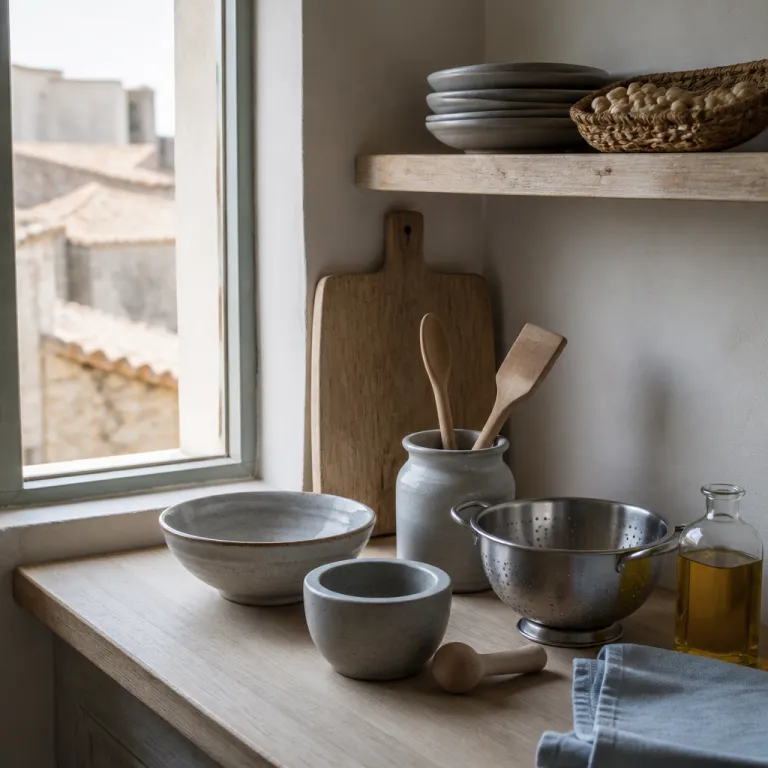
Step into a village kitchen in Arzana and the first thing you notice is the pantry, not the chef. Shelves hold jars of beans, sacks of barley, bundles of wild herbs and dark green olive oil, a visual map of how people live long lives in this mountain blue zone. Here, the sardinia cooking class blue zone format is less performance and more apprenticeship.
During a typical course, you might help prepare a pot of minestrone with garden vegetables, seasonal legumes and a drizzle of local olive oil pressed from nearby groves. Whole grain bread such as pane carasau or civraxiu is always included, sometimes toasted over embers and brushed with olive oil before being served with pecorino from flocks that graze above the Mediterranean Sea. Meat appears sparingly, while refined sugar and processed snacks are almost absent from these traditional Sardinian plates because they never belonged to the local economy.
Wine is present yet measured ; a glass of deep ruby Sardinian wine, often Cannonau, accompanies lunch or dinner rather than dominating it. As you visit these homes with your guide, you see how blue zones eating patterns align with what nutrition researchers call a plant forward Mediterranean diet. One of the hosts may quietly repeat a line you have already read in travel notes from National Geographic researchers ; “What is a Blue Zone? Regions with high longevity rates.”
Back in Cagliari, this knowledge reshapes how you read hotel menus and choose where to eat. You might book a table at a refined trattoria after browsing a detailed guide to bottarga, fregola and the sea focused Sardinian food experiences in Cagliari. The same principles from your sardinia cooking class blue zone excursion now guide your choices between seafood, vegetables and grains along the waterfront.
Cooking with nonnas: hands on lessons in Arzana and beyond
The most sought after cooking classes linked to Sardinia Italy’s Blue Zone do not take place in polished school kitchens. They unfold in local village homes in Arzana, where Tasting Sardinia works with centenarian hosts and culinary historians to revive recipes that once risked fading away. Sessions are capped at small numbers, so when you join chef and nonna around the table, you feel like extended family rather than a passing tour group.
A typical sardinia cooking class blue zone session lasts around six hours and follows a gentle rhythm that respects both learning and rest. You start mid morning with a light breakfast of coffee, fruit and perhaps a slice of whole grain bread before moving into hands on cooking with traditional utensils. Under the guidance of your chef and elder hosts, you will learn to shape culurgiones, roll malloreddus and prepare a slow simmered vegetable and legume soup that anchors lunch.
Lunch is never rushed ; it is a full lunch dinner style feast where conversation about health, family and village history is as important as the food. Local wine appears in small glasses, and your hosts often explain how vineyards will only produce what the land can sustain without chemical excess. Between courses, someone may speak about brain health, explaining how social ties, moderate wine and daily walking across steep lanes shape the way people live in this zone Sardinia region.
Many luxury travelers pair these classes with a deeper exploration of Sardinian cheese traditions. Before or after your village visit, study a detailed map of regional cheeses through a guide to Fiore Sardo and the caves of Seui. That context enriches every slice of pecorino you taste during your sardinia cooking class blue zone lunch, linking pastoral life, mountain caves and the hotel breakfast buffet waiting back in Cagliari.
Designing a Cagliari stay around Blue Zone food rituals
Planning a luxury stay in Cagliari with a Blue Zone focus begins at the booking stage. Choose a hotel that serves a thoughtful breakfast with whole grains, fresh fruit, olive oil and natural yoghurt rather than a pastry heavy spread. This simple check ensures that your day starts in harmony with the sardinia cooking class blue zone lessons you will experience inland.
Many premium properties now collaborate with Tasting Sardinia and similar partners to offer curated cooking classes as part of multi day stays. Packages might include a private transfer to Arzana, a hands on course with local hosts, lunch included in a family kitchen and a cultural discussion before your lunch return to the city. Some itineraries add a short visit to nearby vineyards where you taste Sardinian wine in moderation while guides explain how these blue zones balance pleasure and restraint.
Back in Cagliari, align your restaurant choices with what you observed in the villages. Look for menus that highlight vegetables, legumes, whole grains and modest portions of meat or fish, echoing the traditional Sardinian plates you prepared during your sardinia cooking class blue zone experience. When you order wine, think of it as a small daily ritual rather than a celebration, mirroring how people live in the mountain zones where longevity is common.
To extend this approach to the coast, pair your inland day trips with a stay in one of the refined seaside properties featured in this guide to Sardinia’s finest coastal areas for luxury beachfront escapes. There, sea relaxing afternoons, a measured glass of wine at sun set and long dinners with friends can echo the social patterns that define every Blue Zone. The goal is not to copy a diet mechanically but to weave its spirit into each stage of your Cagliari stay.
Practicalities: how to book, what to expect, what to pack
Securing a place on a sardinia cooking class blue zone experience from Cagliari requires a little advance planning. Start by asking your hotel concierge to contact Tasting Sardinia or similar organisers, as they maintain direct relationships with village hosts and can confirm dates quickly. Because these courses take place in private homes, numbers are limited and last minute requests are rarely possible.
Most programmes follow a clear structure that balances learning, eating and conversation. A typical day might begin around 10:00 with introductions, move into two to three hours of cooking, then shift into a long lunch where wine, water and coffee are served in moderation. After the meal, there is usually time for a cultural discussion about health, family life and the history of Blue Zones before you start the drive back towards the Mediterranean Sea and your hotel.
Pack with comfort and respect in mind ; wear light, breathable clothing and shoes suitable for village lanes, and bring a notebook if you want to record recipes and reflections. Hosts provide all ingredients and traditional utensils, so your role is to join chef and family at the table, not to manage logistics. Many guests say that the most valuable souvenir is not a printed recipe but the memory of how people live, eat and talk together in this quiet corner of zone Sardinia.
These experiences are designed to influence your habits long after you leave Sardinia Italy. Organisers hope that participants will learn to recreate simple minestrone, choose olive oil over processed fats and treat lunch dinner as a social anchor rather than a rushed refuelling stop. As one organiser summarises the goal, the expected impact is that participants adopt healthier diets inspired by Sardinian traditions and carry a little of this Blue Zone calm back to their own cities.
FAQ
What is a Blue Zone and why is Sardinia important ?
Researchers use the term Blue Zone to describe regions where an unusually high number of people live to one hundred and beyond in good health. Sardinia, particularly the Ogliastra area and villages such as Arzana, is one of the most studied Blue Zones because of its concentration of male centenarians. The combination of traditional Sardinian food, daily movement and strong social ties makes this zone Sardinia a reference point for longevity research.
What foods are common in traditional Sardinian Blue Zone diets ?
Typical Blue Zone meals in Sardinia centre on vegetables, legumes, whole grains and generous use of olive oil. Sheep’s milk cheese, especially pecorino, appears regularly, while meat is eaten in small portions and not every day. Wine, often Cannonau, is enjoyed in moderation with lunch or dinner, and processed foods or refined sugars are largely absent from these village tables.
How can I join a Sardinia cooking class Blue Zone experience from Cagliari ?
The most reliable way is to ask your Cagliari hotel concierge to arrange a booking with a specialist organiser such as Tasting Sardinia. They coordinate transport to villages like Arzana, where local families and centenarian hosts lead small group cooking classes in their homes. Because places are limited, it is wise to reserve before your trip or early in your stay.
Are these cooking classes suitable for solo travelers ?
Yes, sardinia cooking class blue zone experiences are particularly rewarding for solo travelers who value authentic contact with local families. Groups are small, and hosts encourage conversation, so you quickly feel integrated into the table. Many solo guests report that the shared lunch and long afternoon discussions become the emotional highlight of their time in Sardinia Italy.
What should I wear and bring to a village cooking class ?
Wear comfortable, modest clothing and closed shoes suitable for uneven village streets and kitchen floors. You do not need to bring equipment, as all utensils and ingredients are provided, but a small notebook can be useful for recording recipes and stories. Light layers are practical because temperatures can shift between the sea relaxing climate of Cagliari and the higher altitude villages in the Blue Zone hills.